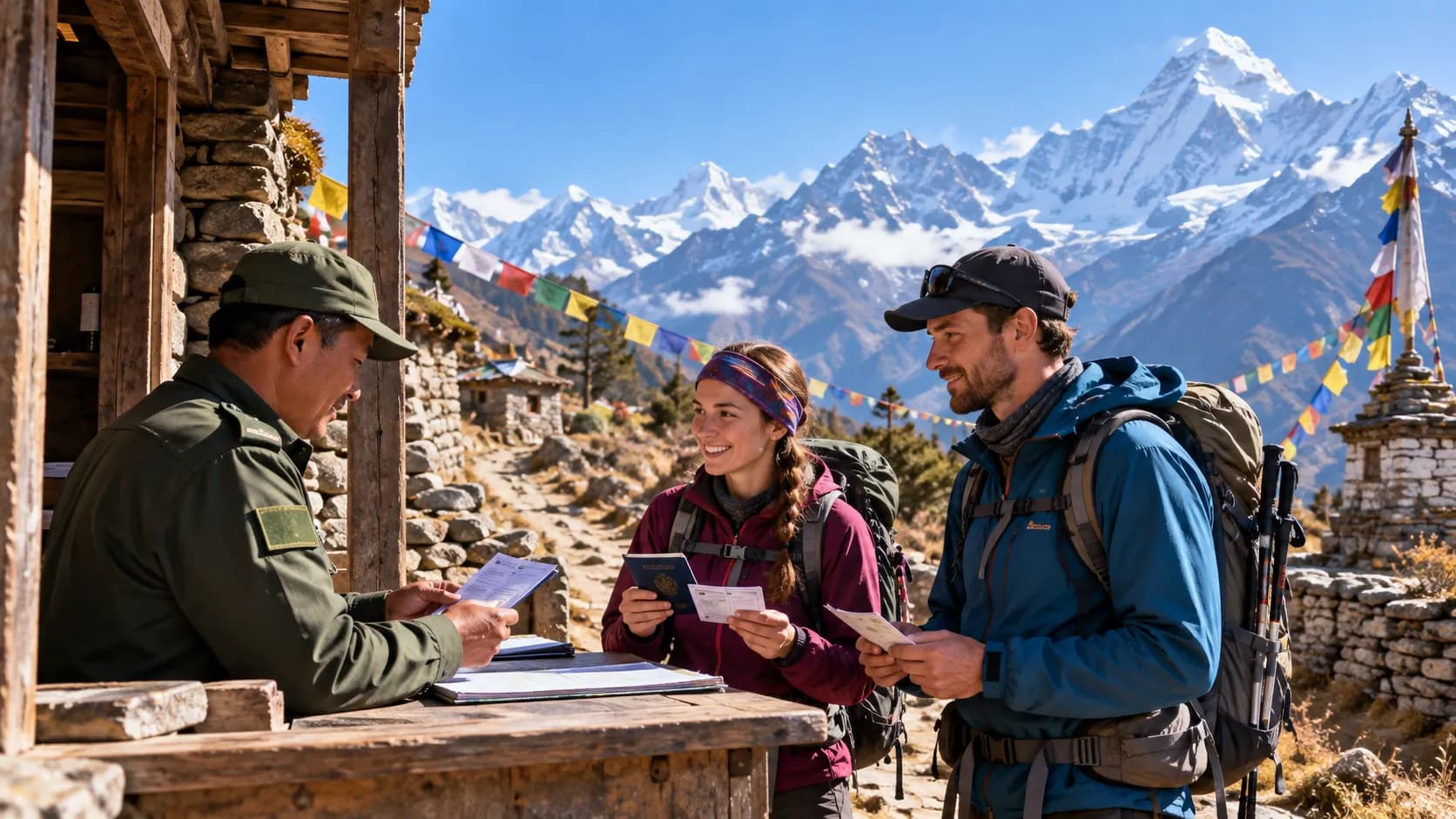
Nepal is grieving, recovering—and still welcoming visitors. The floods of 2026 caused devastating loss in affected communities, and recovery will take time. But the disaster did not close an entire country. Much of Nepal continues to live, work, celebrate, trek, host travelers and move forward.
Nepal Tourism Board’s official post-flood message has been clear: “Nepal is not closed.” The country’s tourism institutions have continued coordinating visitor support, while many destinations and services remain active. At the same time, travelers should treat route conditions as local and changeable rather than assuming every road or trekking corridor is operating normally.
What Happened in Nepal?
On 26 August 2026, a catastrophic flood disaster struck parts of Nepal, causing extraordinary loss of life, displacement and infrastructure damage. By late September, major international reporting placed the death toll at more than 1,450 people, with thousands still missing. Homes, roads, bridges, utilities and livelihoods were damaged across the worst-affected areas.
Heavy rain later in September brought additional floods and landslides, reminding everyone that recovery is still active and that weather-related conditions can change quickly. The human impact should remain at the center of any travel conversation about Nepal right now.
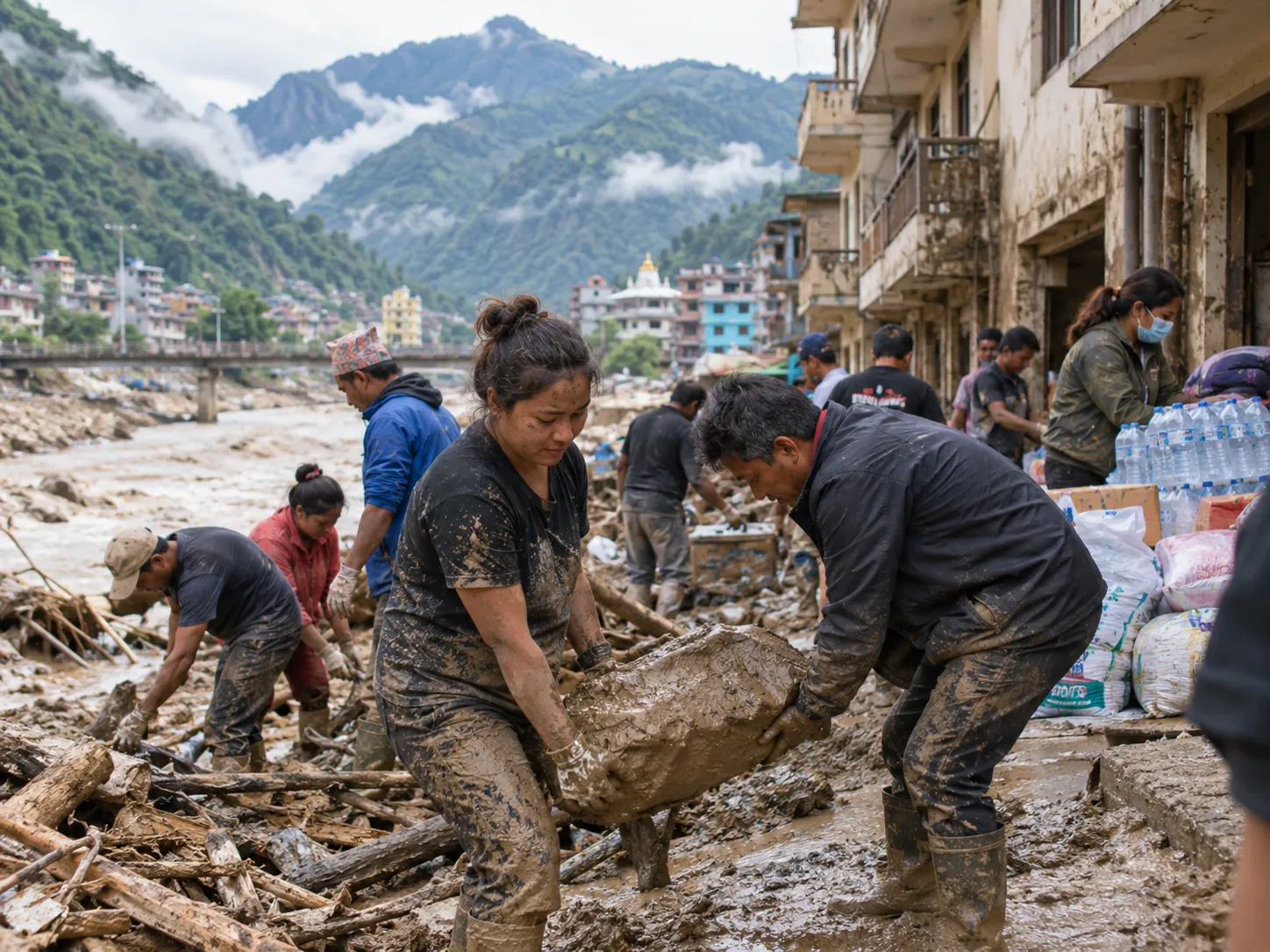
A Disaster in Nepal Does Not Mean All of Nepal Is Closed
Nepal’s geography is vast and complex. Flood damage can be severe in one river valley while another tourism region remains open and operating. That distinction matters. The responsible question is not simply “Is Nepal open?” but “Is my exact route open and safe today?”
Nepal Travel Situation at a Glance
| Area / Service | Current Picture | What Travelers Should Do |
|---|---|---|
| Nepal overall | Tourism remains open while flood-affected communities recover | Plan region by region and use current local advice |
| Kathmandu Valley | Tourism and daily life continue; cultural activity remains active | Travel normally while checking weather and traffic conditions |
| Major highways | Key routes including the Prithvi and BP highways had resumed two-way traffic by 1 October | Reconfirm road status on the day of departure |
| Domestic flights | Flights operate, but poor visibility and mountain weather can still cause delays or cancellations | Check airline status before leaving for the airport and keep buffer time |
| Rasuwa / Langtang / parts of Nuwakot | Among the areas severely affected by flood damage; some access has remained difficult | Do not rely on old itineraries—use verified local route information |
| Trekking regions | Many trekking areas continue operating, but conditions differ by route | Confirm permits, trail access, bridges, roadheads and weather with your operator before departure |
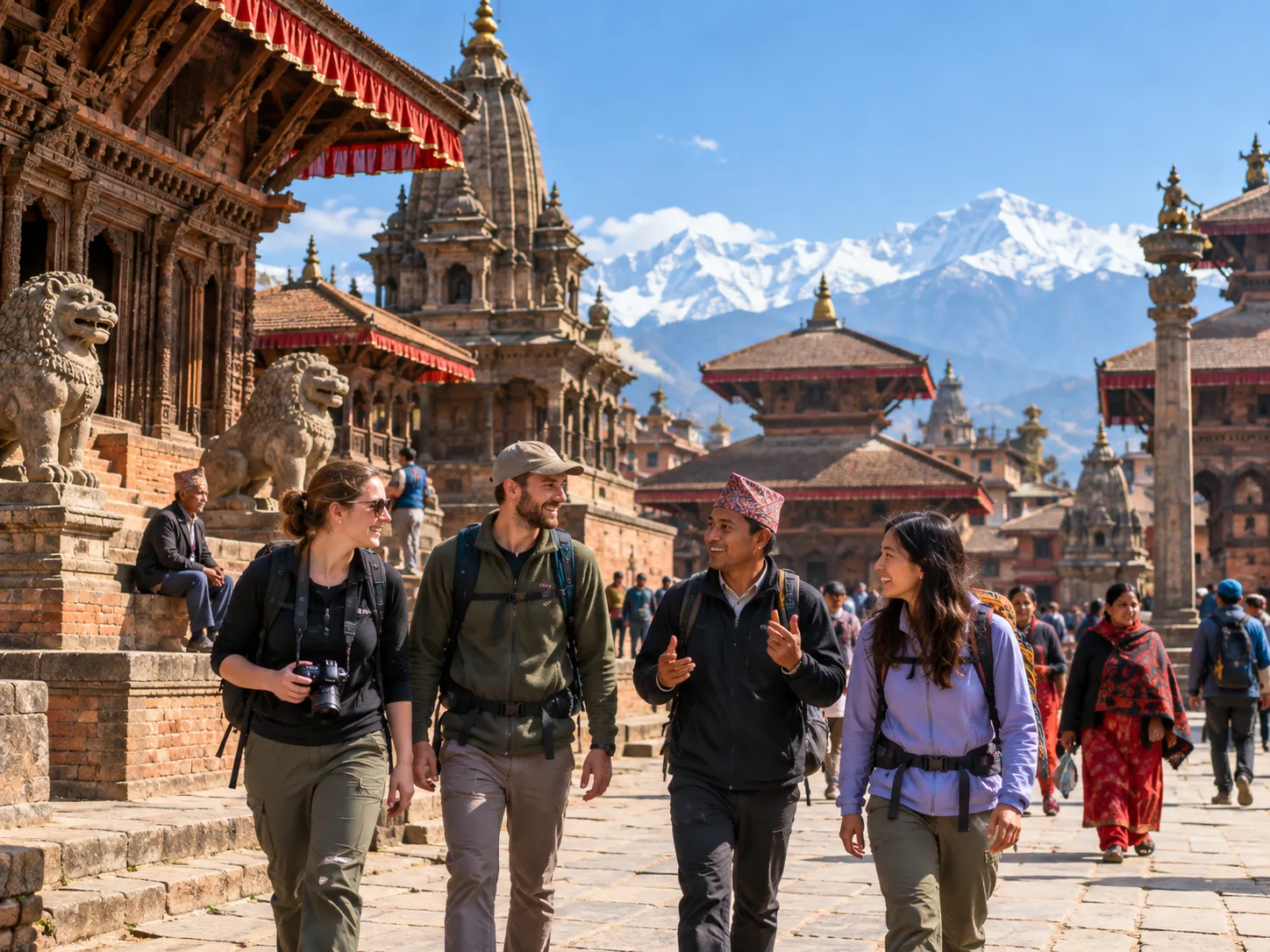
Why Visiting Nepal Now Can Be a Form of Support
Tourism is not separate from community recovery. A trekking guide’s income, a family-run lodge, a local driver, a tea shop, a craft business and a small hotel may all depend on travelers continuing to come. When an open and safe destination loses visitors because people assume the entire country is closed, the economic impact spreads far beyond the disaster zone.
- Keep or rebook trips in areas confirmed open instead of cancelling Nepal as a whole.
- Choose local guides, operators, lodges, restaurants and transport providers so tourism income stays in communities.
- Build flexibility into your itinerary rather than forcing a route when weather or access changes.
- Do not visit damaged communities for disaster sightseeing. Respect privacy, loss and recovery work.
- Avoid intrusive photography of affected people unless they clearly consent.
- Use verified relief channels if you want to contribute beyond your trip.
- Spend locally and thoughtfully. Small purchases and local services can have an immediate livelihood impact.
Before You Travel: A Responsible Nepal Checklist
- ☑️ Check the latest Nepal Tourism Board and Tourist Police updates
- ☑️ Confirm your exact road, flight or trekking route with a local operator 24–48 hours before movement
- ☑️ Keep at least one flexible buffer day in your itinerary
- ☑️ Carry travel insurance suitable for your activities and possible disruption
- ☑️ Avoid river corridors, landslide-prone roads and exposed trails during active heavy-rain warnings
- ☑️ Keep offline copies of emergency contacts, hotel details and your itinerary
- ☑️ Follow local authority, guide and community instructions even if an older online itinerary says otherwise
- ☑️ Respect communities still dealing with loss, missing family members and rebuilding
- ☑️ Support businesses in destinations that are open rather than assuming the whole country should be avoided
What Travelers Can Still Experience
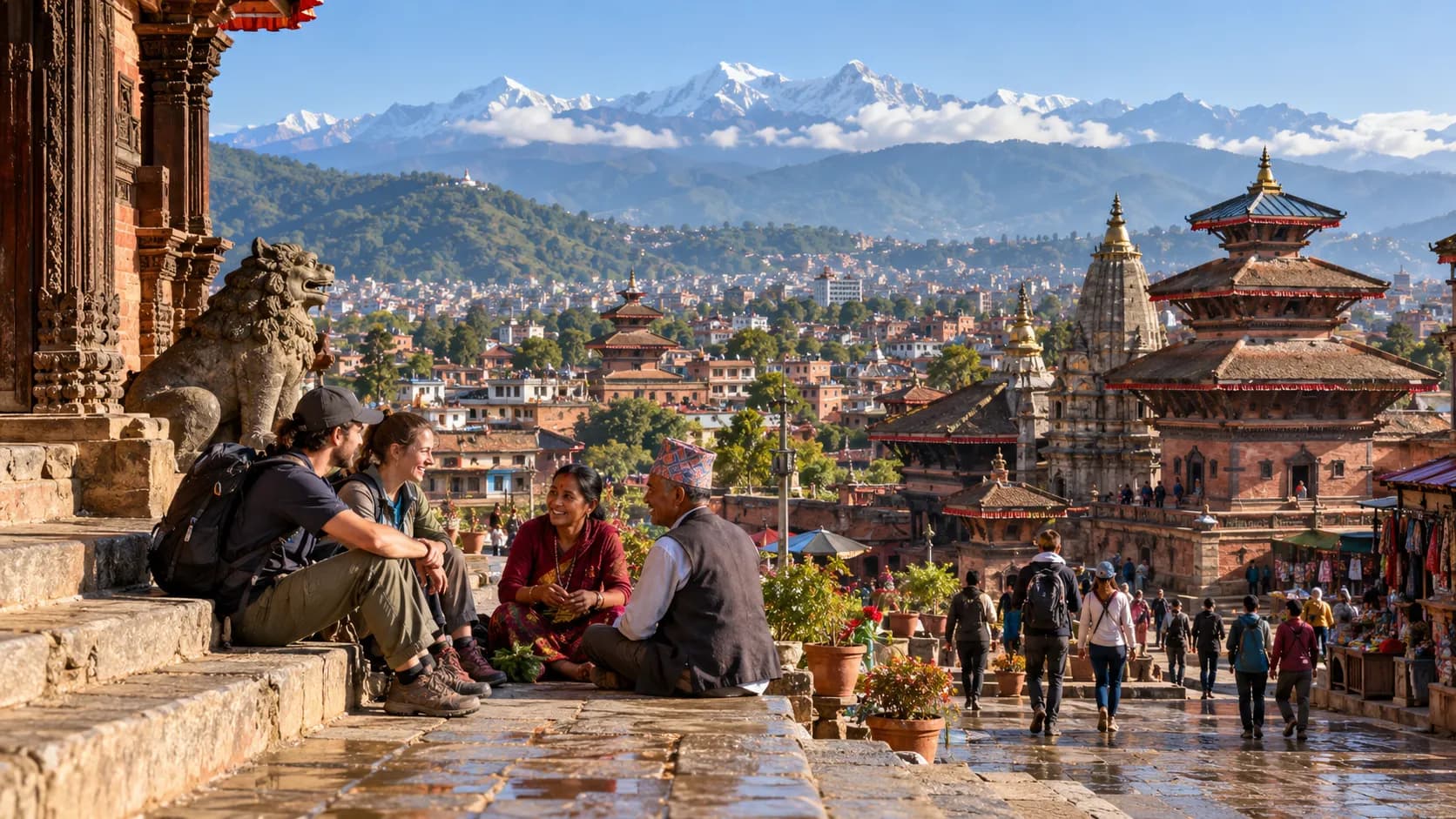
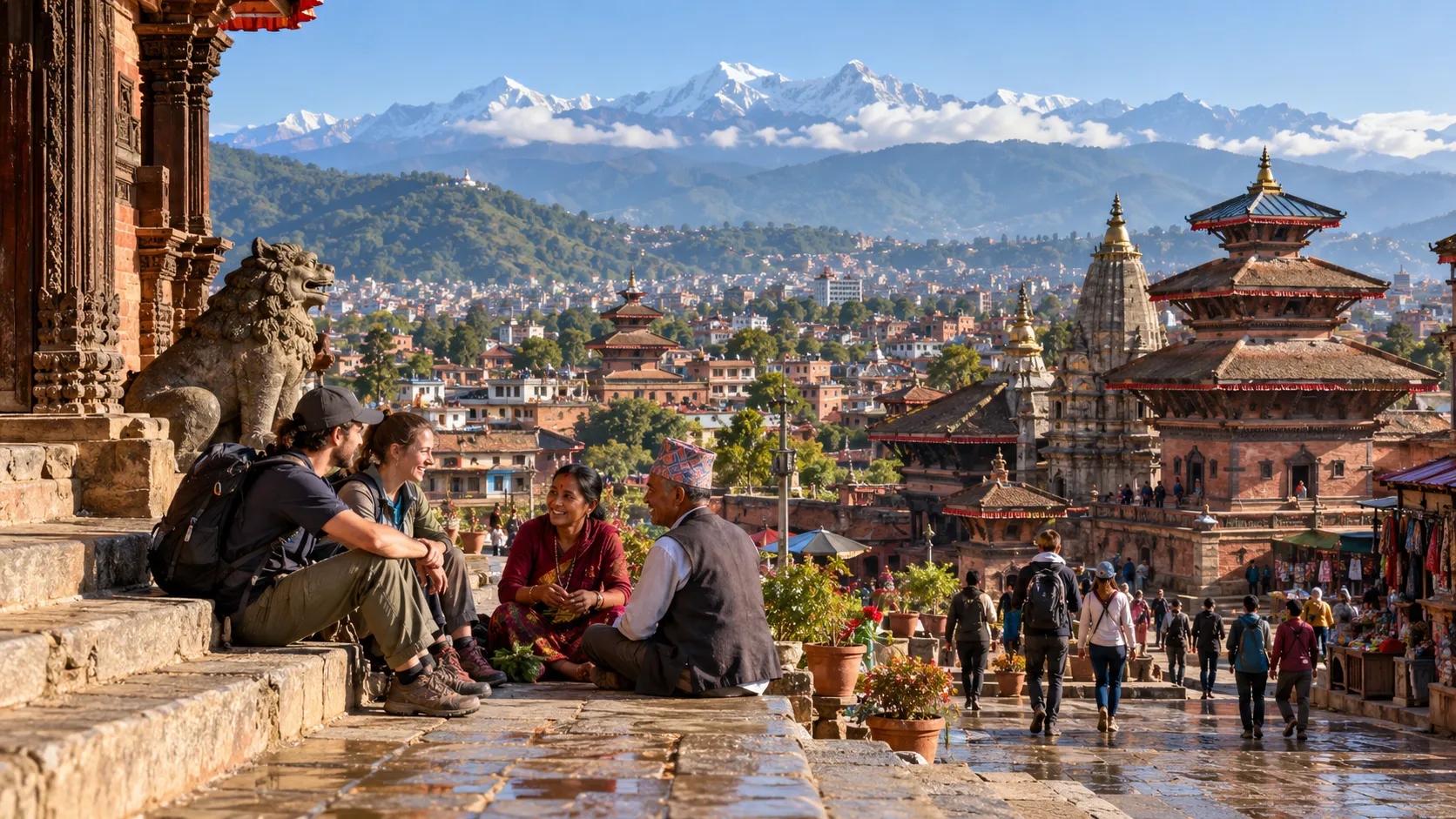
Nepal remains much more than one affected corridor. Kathmandu Valley’s heritage, communities and cultural life continue; Pokhara remains a major tourism gateway; and many trekking and touring regions continue receiving visitors. International connectivity is also moving forward—Pokhara began a new daily Dubai connection in late September.
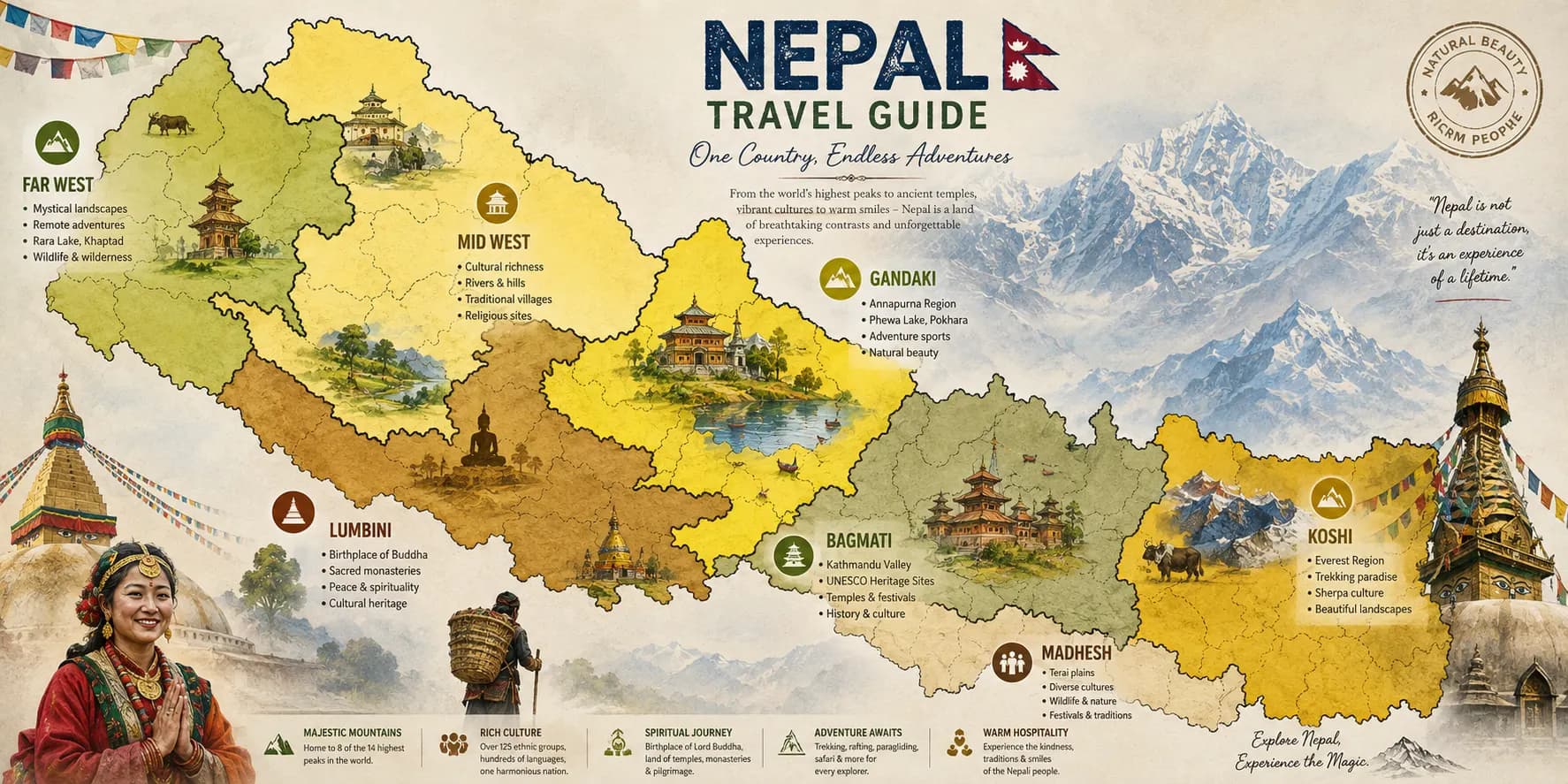
For broader planning, see our Nepal Travel Guide and browse Nepal journeys and destinations. If you already have an itinerary, contact Community Trek and we can help re-check access, route conditions and practical alternatives before departure.
A Message to Travelers Who Love Nepal
If Nepal has been on your list, you do not need to turn away from the entire country. Come with awareness. Come with flexibility. Come with respect. Listen to local advice. Support the places that are ready to welcome you—and give affected communities the space and support they need to recover.
Sources & Current Travel Information
- Nepal Tourism Board — Nepal Calling: Situation Update, 1 September 2026 — official message that Nepal remains open while affected areas recover.
- Nepal Tourism Board — NTB Update, 4 September 2026** — visitor help desks and coordination support following the floods.
- Kathmandu Post — Roads reopen, travel gets easier, 1 October 2026 — Prithvi and BP highways reported reopened to two-way traffic.
- Kathmandu Post — Adverse weather disrupts domestic flights, 25 September 2026 — poor weather and low visibility disrupted domestic flights, including Lukla.
- Associated Press — A month after Nepal floods, thousands are still missing and Reuters — One month on: Few Nepal flood victims identified — reporting on flood losses, missing persons and the ongoing recovery.