Visa first, permits second. Entering Nepal and entering a trekking area are separate requirements. This guide gives you a practical checklist for both so you can arrive prepared and avoid last-minute permit problems.
Visa & Trekking Permits at a Glance
| 📄 Document | 👤 Who Needs It? | 🧭 How It Is Arranged | ✅ Key Point |
|---|---|---|---|
| Nepal Tourist Visa | Most foreign visitors | On arrival where eligible, eVisa/DoI process, or Nepalese mission | 15, 30 and 90-day tourist visa options |
| TIMS Card | Trekkers on routes covered by the revised TIMS system | Government-registered trekking agency | Licensed guide + agency-issued TIMS required on specified routes |
| Protected Area Permit | Visitors entering national parks or conservation areas | Relevant park/conservation authority, entry point or arranged through your operator | Separate from TIMS |
| Restricted Area Permit | Foreign trekkers entering controlled/restricted zones | Registered trekking agency through the Department of Immigration | Rules, fees and minimum requirements vary by area |
| Climbing / Mountaineering Permit | Trips involving regulated trekking peaks or expedition peaks | Relevant mountaineering authority/agency workflow | Separate from normal trekking permits |
Nepal Tourist Visa
Most international visitors enter Nepal on a tourist visa. Nepal's Department of Immigration currently lists 15-day, 30-day and 90-day multiple-entry tourist visas. Eligible travelers can use Visa on Arrival, while others should arrange their visa through the appropriate immigration or diplomatic process before travel.
Tourist visas can be extended in Nepal, with a maximum tourist stay of 150 days in a visa year under current immigration rules. Passport and nationality-specific conditions still apply, so confirm the latest official entry rules before departure.
Which Trekking Permits Might You Need?
Your exact permit combination depends on the route. A trek can require more than one document, so do not assume that a TIMS Card replaces a national park, conservation-area or restricted-area permit.
- ✅ TIMS Card when your chosen route falls under the revised TIMS system
- ✅ National Park / Conservation Area permit when your route enters a protected area
- ✅ Restricted Area Permit (RAP) for controlled trekking zones
- ✅ Climbing or mountaineering permit if your itinerary includes a regulated climbing objective
TIMS Card & Licensed Guide Rules
Nepal Tourism Board's revised TIMS provision requires trekkers on specified routes to travel with a licensed trekking guide and carry a trekking-agency-issued TIMS Card. The official TIMS route list includes many popular trekking areas, including routes in Everest, Langtang, Annapurna, Manaslu, Mustang, Dolpo and other Himalayan regions.
Nepal Tourism Board currently lists TIMS charges of NPR 1,000 for SAARC-country applicants and NPR 2,000 for other applicants through the agency system. Because route coverage and procedures can change, confirm your exact trek before paying or finalizing logistics.
National Park & Conservation Area Permits
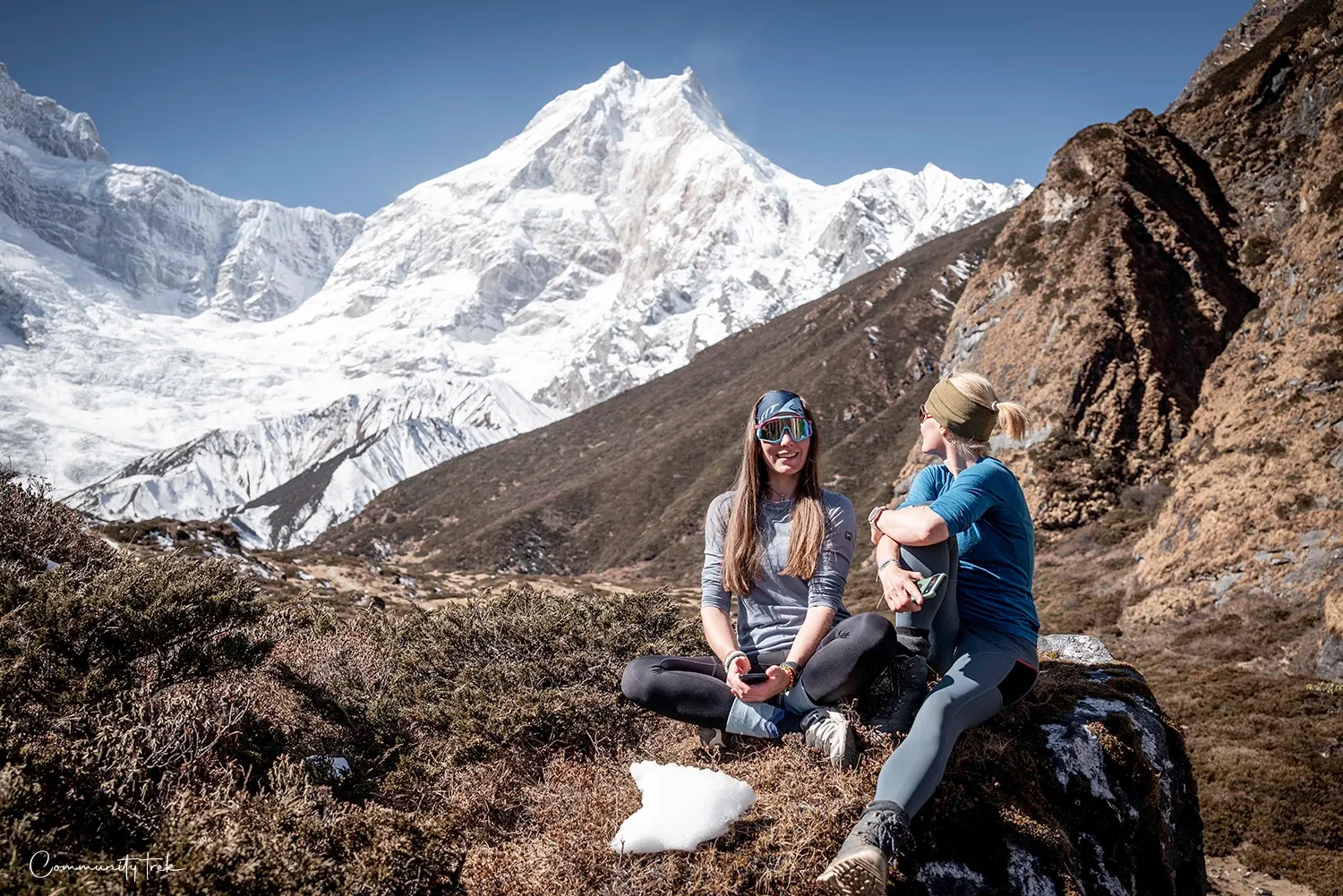
Nepal's trekking routes frequently pass through national parks and conservation areas. Entry permits and fees apply separately from TIMS. For example, protected-area entry is required for routes passing through places such as Sagarmatha National Park or conservation areas in the Annapurna and Manaslu regions.
Restricted Area Permits
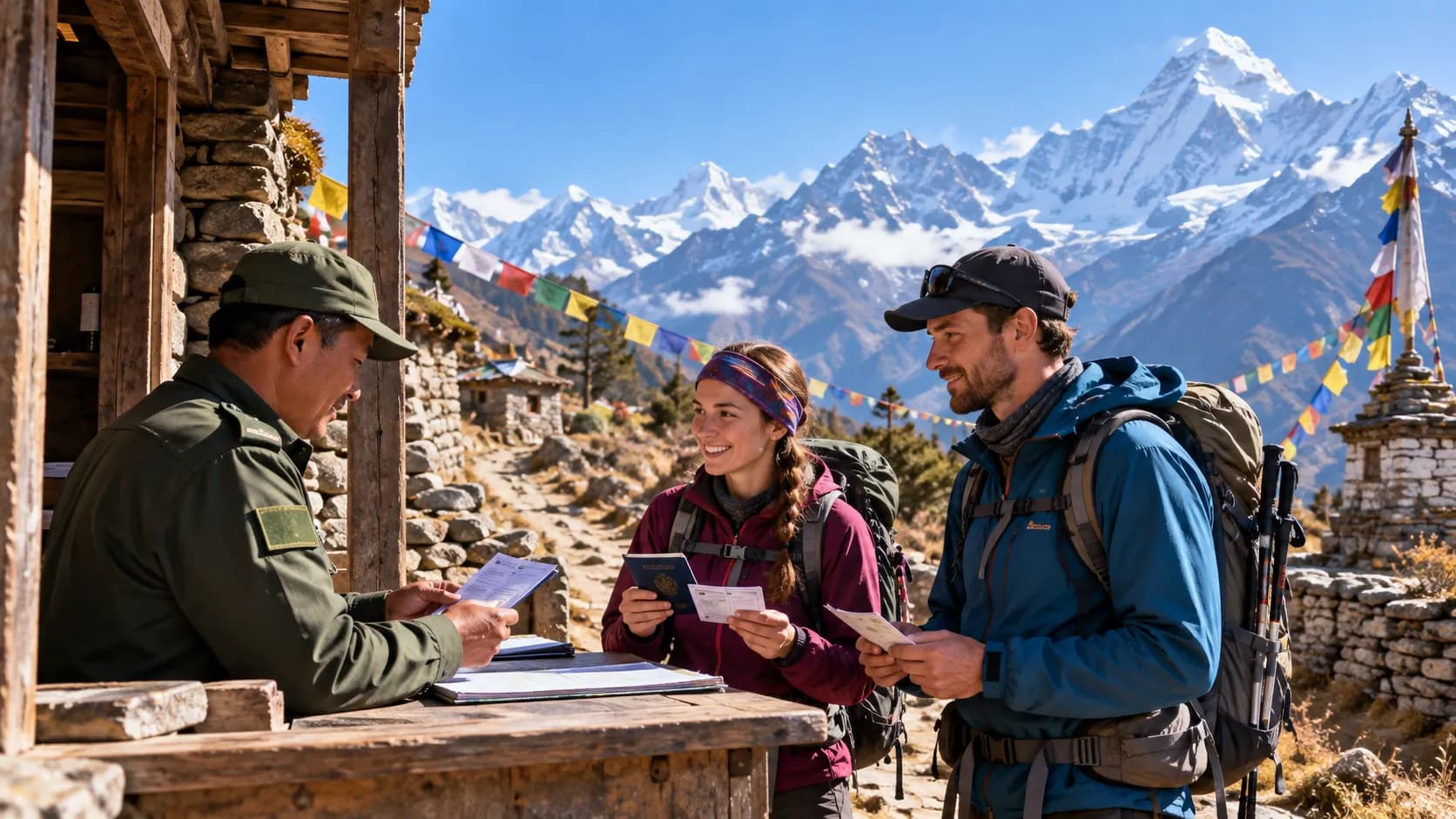
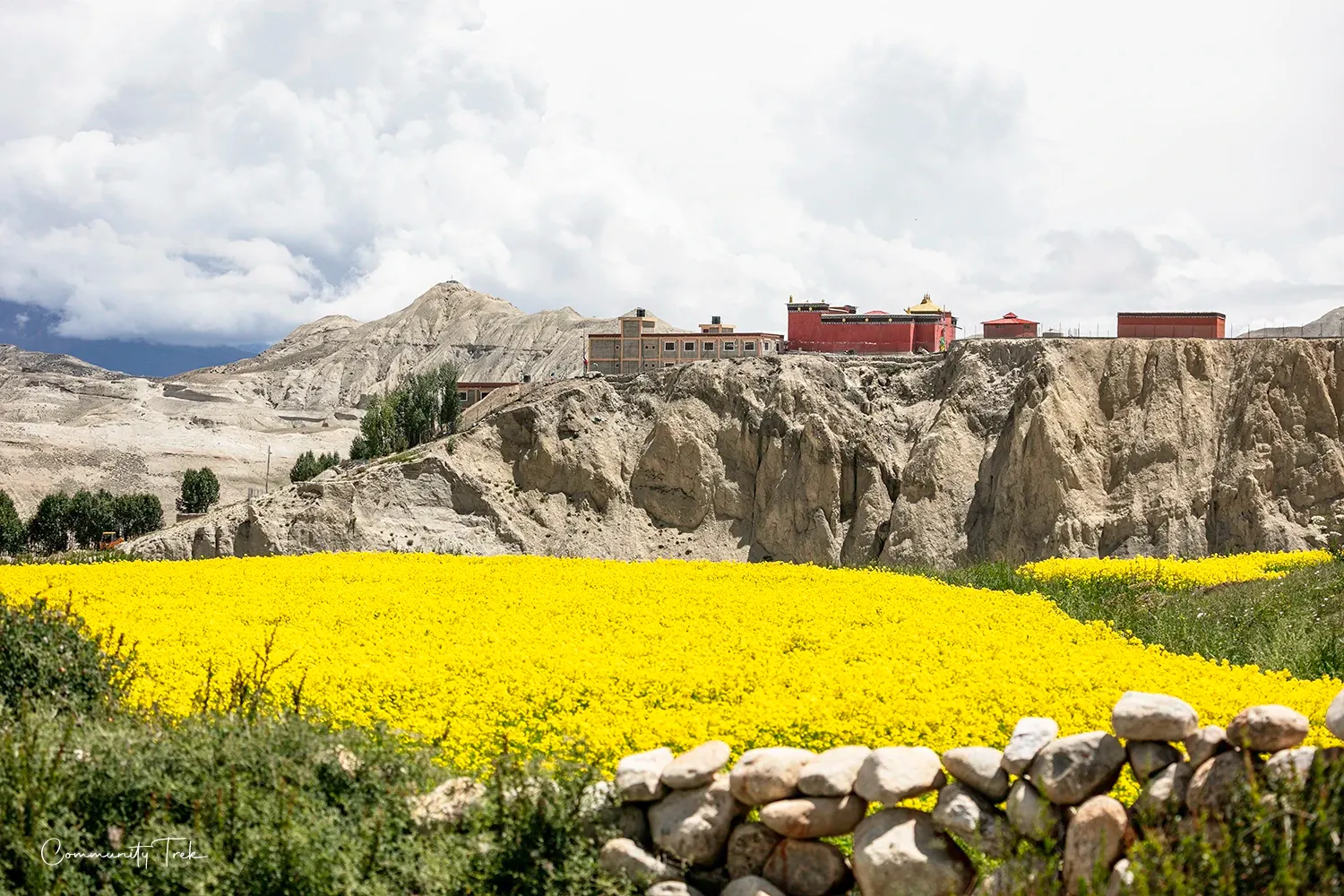
Certain parts of Nepal are designated restricted or controlled trekking areas. Foreign trekkers must obtain the relevant permit through the regulated process, normally with a registered trekking agency handling the application and required documentation.
| 🗺️ Restricted-area example | 📌 What to Expect |
|---|---|
| Upper Mustang | Special Restricted Area Permit; the Department of Immigration currently lists USD 500 for the first 10 days and USD 50 per additional day per person |
| Manaslu | Restricted-area permission plus the relevant conservation-area requirements for the chosen itinerary |
| Dolpo / Humla / other controlled border regions | Special permit rules and fees vary by exact area, route and duration |
Before You Travel: Visa & Permit Checklist
Use this as your final pre-departure check before flying to Nepal or beginning your trek.
- ☑️ Passport valid for the required period for your Nepal trip
- ☑️ Confirm whether your nationality is eligible for Visa on Arrival
- ☑️ Select the correct 15, 30 or 90-day tourist visa duration
- ☑️ Finalize your trekking route before permit applications are submitted
- ☑️ Confirm whether the route requires TIMS and a licensed guide
- ☑️ Confirm the correct national park or conservation-area permit
- ☑️ Check whether any part of the itinerary enters a restricted area
- ☑️ Send clear passport copies and photographs to your trekking agency when required
- ☑️ Carry travel insurance appropriate for your itinerary, altitude and emergency evacuation needs
- ☑️ Keep digital and printed copies of your passport, visa and permits
- ☑️ Recheck official visa and permit rules shortly before departure because requirements can change
Documents to Prepare for Your Trekking Agency
- Passport information page
- Valid Nepal tourist visa or entry details when available
- Recent passport-size or digital photo
- Confirmed trekking itinerary and travel dates
- Travel insurance details where required
- Emergency contact information
- Additional forms required for restricted-area or climbing permits
Can You Trek Independently?
It depends on the route. Some areas have different access rules, while routes covered by the revised TIMS system require a licensed guide and agency-issued TIMS Card. Restricted areas have additional controls. The safest approach is to confirm the exact rules for your route rather than applying a single rule to all trekking in Nepal.
Need Help With Your Nepal Permits?
Send us your travel dates, nationality and planned trek. We can tell you which permits apply to your itinerary and what documents you should prepare before arriving in Nepal.